From Reactive to Proactive
Canada’s hidden health-care crisis and why physical activity should be central to policy
As policymakers grapple with immediate crises, they must recognize that our long-term national strength depends on the health and vitality of our citizens. The choice between reactive treatment and proactive prevention will define Canada's future prosperity and social cohesion.
Opinion | BY JOHN WESTON | June 5, 2025
While tariffs and pipelines dominate today's headlines, simmering just below these hot-button issues is the continuing question of health care—consistently rated as a high priority for Canadians. Every Canadian has this in common: they're either in the health care system now, or will be, in their time.
The debate typically revolves around Canadians' lavish expenditure on our reactive-care system—$344 billion in 2023, with one of the highest per-capita health care spending in the OECD. Y et despite this massive investment, we rank second-last among 11 high-income countries for health care delivery. But with National Health and Fitness Day on the horizon (Saturday, June 7th), it's time to examine the enormous benefits of putting proactive health at the core of our culture and policy.
The Scope of Canada's Health Crisis
Recent headlines about childhood obesity reveal a troubling trend toward medicalized solutions. When we're seriously discussing bariatric surgery for children and prescribing weight-loss medications to 12-year-olds, we've lost sight of prevention. We're surrendering to forces we could actually defeat—and that's heartbreaking.
The statistics paint a stark picture. According to ParticipACTION, only 39% of Canadian children met daily activity recommendations in 2024 (this number is actually on the high side; it’s typically hovered around 20%).
Meanwhile, 80% of toddlers exceed one hour of daily screen time. Among 49 countries surveyed in 2018, Canada ranked a mediocre 12th for physical activity, 24th for sedentary behaviour, and a dismal 45th for active transportation.
Beyond Physical Health: Mental and Spiritual Costs
Author and psychologist Jonathan Haidt warns we're rewiring childhood through smartphones, causing an epidemic of teen mental illness. We've shifted from "play-based" to "phone-based" childhood, replacing outdoor exploration and face-to-face friendships with social media and digital comparison. While seven provinces have begun restricting classroom cell phone use, these measures address symptoms, not root causes.
Our young people suffer at unprecedented levels: 1.6 million diagnosed with mental health disorders, 30% of young adults seeing therapists. We've had to invent words like "suicidicity" and "outdoors deprivation." U.S. Surgeon General Vivek Murthy identified loneliness as equivalent to smoking 15 cigarettes daily—yet we continue replacing real friendships with digital acquaintances.
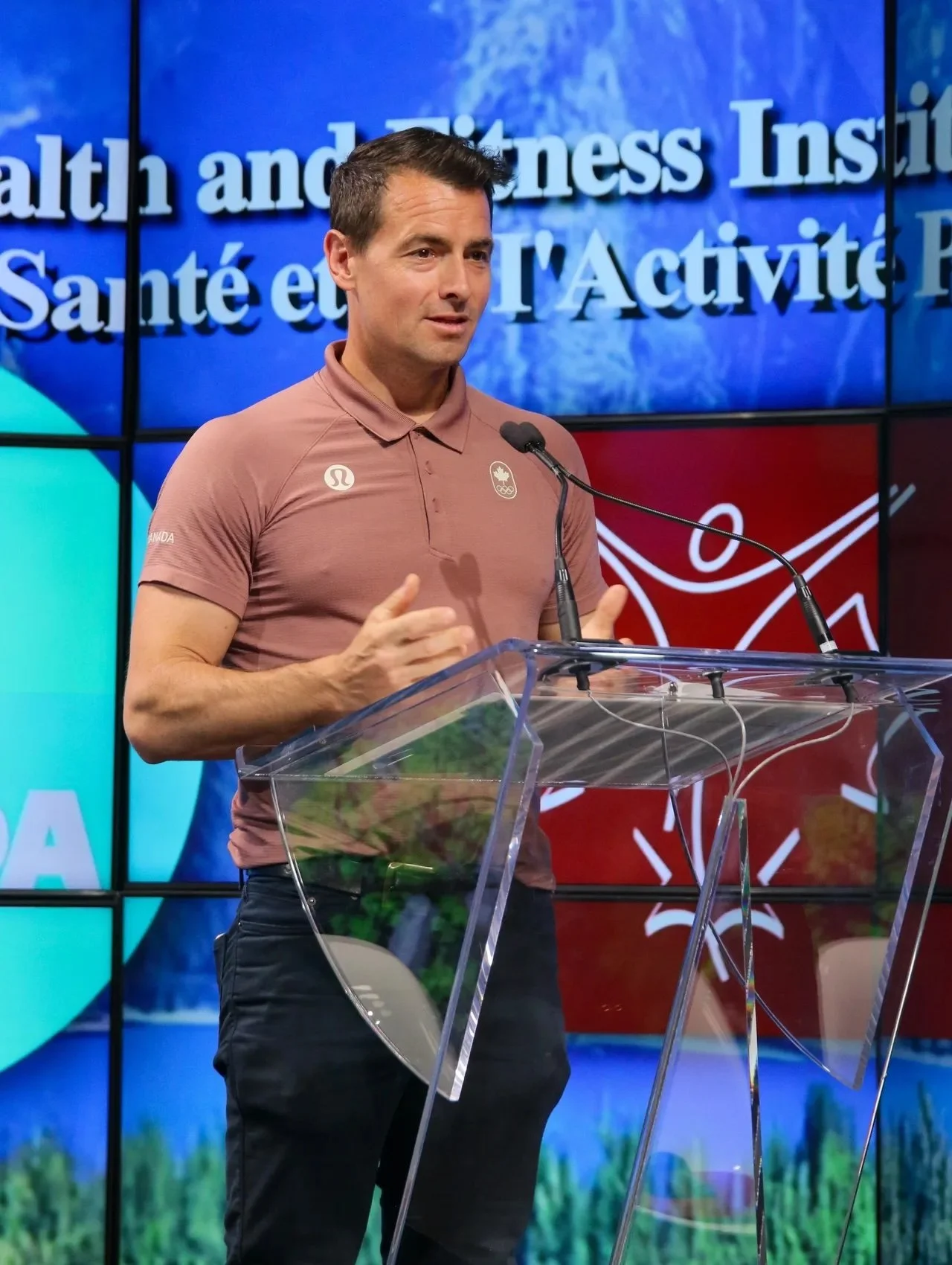
Secretary of State for Sport, Adam van Koeverden
This crisis extends beyond mental health—it's spiritual. Children are souls nurtured through challenge, connection, and contemplation. Phone-based childhood erodes all three. Author Brené Brown demonstrates that mental health depends on deep connection to others, meaning, and vulnerability. Social media creates the opposite: curated images requiring conformity rather than authentic belonging.
Today's digital environment robs time needed to explore life's fundamental questions: "Who made you?" "Why are you here?" Even the term "Instagram" hints at transitory, superficial experience, leaving no room for the reflection essential to spiritual health.
The Economic Case for Prevention
The Conference Board of Canada estimates that, without timely investments, the lifetime cost of just one cohort of children with onset of anxiety and/or depression at age 10 is close to $1 trillion. Investing in children's mental health today could save $28 billion annually.
Yet our policy framework remains stubbornly reactive. Canadian doctor Peter Attia observes that medicine's biggest failing is treating conditions "after they're entrenched rather than before they take root. " As he puts it, exercise is "by far the most potent longevity drug" —yet it receives minimal attention in medical training or health policy.
Millions of Canadians diet desperately, seeking answers in weight-loss books and medical interventions. But what if solutions are as close as unused walking shoes in our closets?
A Policy Framework for Transformation
The Canadian Health and Fitness Institute proposes a different approach: a $40 million investment to 'Make
Canada the Fittest Nation on Earth by 2030. This includes community-based digital challenges, classroom wellness programs, transformational trail systems, and a National Adventure Centre.
Consider this policy innovation: what if government created a national volunteer program for high school graduates to expand outdoor recreational infrastructure? Imagine young Canadians working together across the country in both official languages, building trails and huts while gaining outdoor exposure—a domestic version of the US Peace Corps - for health and nation-building.
We recognize that established institutions are often too embedded in current practices to catalyze necessary cultural transformation. Active citizens must lead, with government providing coordination and support rather than top-down mandates.
Former Minister of Sport and Physical Activity Carla Qualtrough, speaking at CHFI's 2024 Summit, declared her resolve to add physical-activity filters to major Cabinet decisions. This represents the kind of policy thinking Canada needs: integrating health considerations into all government decision-making.Parliamentary Leadership: Walking the Walk
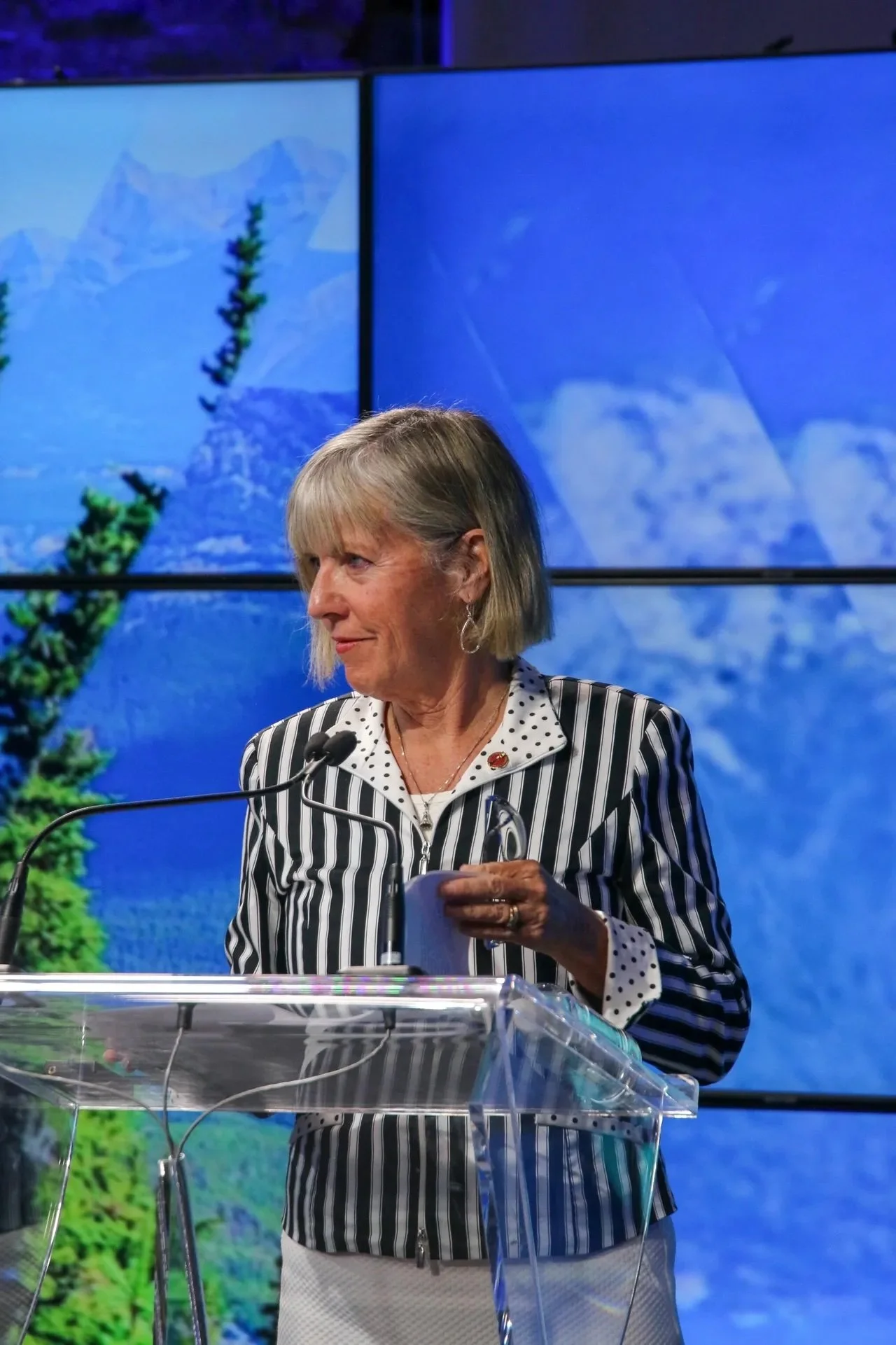
Senator Marty Deacon
Members of Parliament and Senators have a unique opportunity—and responsibility—to model the change Canada needs. During my time in Parliament, initiatives I fostered, such as Bike Day on the Hill, Swim Day on the Hill, Ski Day on the Hill, and the Parliamentary Fitness Initiative brought a rich reward I hadn't anticipated: making friends across party lines while encouraging fellow parliamentarians to model health and fitness.
The concept was simple but powerful: parliamentarians of all parties routinely running or walking together on Tuesdays and swimming together in the Château Laurier pool on Thursdays (you’ll be glad to know, we banned cameras, for the most part). This wasn't just about helping parliamentarians improve their physical, mental, and spiritual health—it was about acting as role models for a nation in dire need of encouragement to integrate physical activity into daily routines.
I'm delighted to hear that Secretary of State for Sport the Hon. Adam van Koeverden has initiated soccer matches that rally parliamentarians together in the name of sport. Meanwhile, Senator Marty Deacon has emerged as the successor to former Senator Nancy Greene Raine and me as the "voice for National Health and Fitness Day" on the Hill. She's a relentless advocate for increased health for Canadians, carrying forward this vital parliamentary tradition.
When citizens see their elected representatives prioritizing physical activity—working across party lines in pursuit of health—it sends a powerful message about national values. Let’s hope that current and future parliamentarians assume the mantle of physical activity role models for our nation.
The Path Forward
This year National Health and Fitness Day falls on Saturday, June 7th. It’s the recurring event established by legislation that Nancy Greene Raine and I championed to make the first Saturday in June forever a day when communities pay special attention to increasing physical activity levels among citizens. This year on the Day, CHFI hosts our annual Summit in Toronto. featuring BC First Nations Health Authority CEO Monica McAlduff, Senator Marty Deacon, and health leaders nationwide. This gathering will present evidence-based solutions for shifting from our current reactive model to proactive health investment. It will also be a potent networking opportunity for kindred-spirit advocates who want dramatically to improve Canadians’ physical, mental, and spiritual health. I thank the parliamentarians and staffers who have registered; we still have some space for latecomers (register at CHFI.FIT). Can’t attend in Toronto in person? Y ou can join us by live-stream.
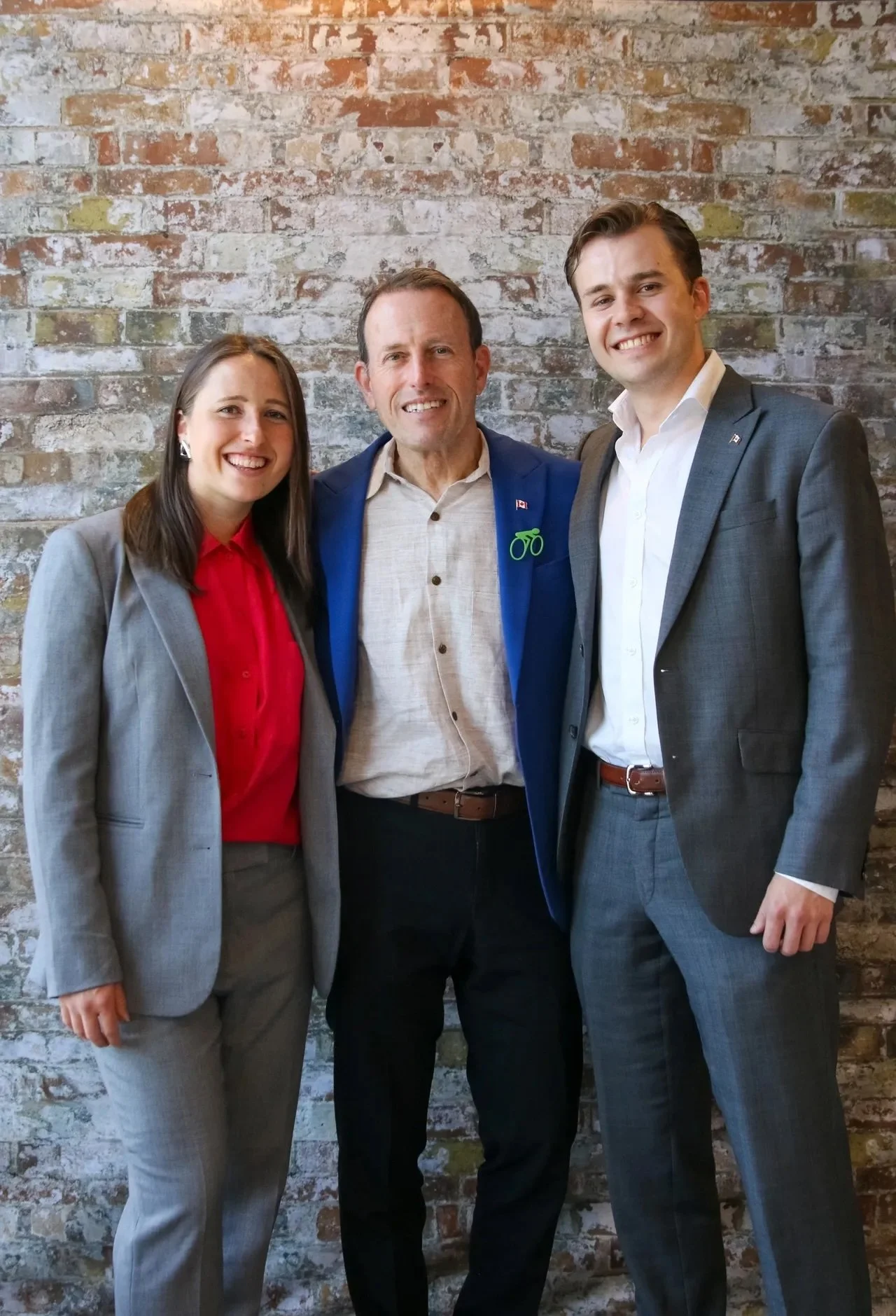
John Weston, Jordan Weston and Shane Weston
As policymakers grapple with immediate crises, they must recognize that our long-term national strength depends on the health and vitality of our citizens. The choice between reactive treatment and proactive prevention will define Canada's future prosperity and social cohesion.
We're filling up quickly for the June 7th Summit—register at chfi.fit or view online. It's time for Canada to choose movement over medication, prevention over prescription, and transformation over decline.
Let's Move Canada! Bougeons Canada!
The author is President of the Canadian Health and Fitness Institute and former MP for West Vancouver - Sunshine Coast - Sea to Sky Country. The CHFI Summit takes place June 7th in Toronto. Register at chfi.fit